







Search Results for: Starbucks Japan
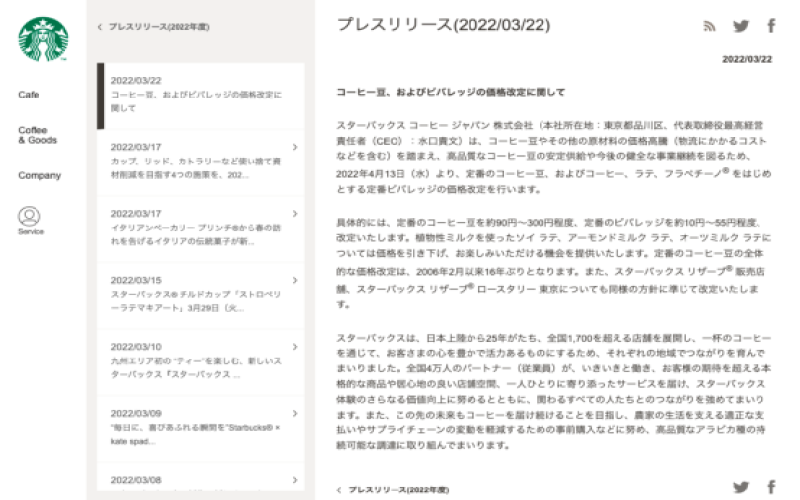
Starbucks Japan Raises Prices in April: Coffee Beans and Drinks Both Up, Plant-Based Milk Lattes Down
Starbucks Japan has announced that it will raise the prices of coffee beans and beverages starting April 13, with coffee beans increasing by about 90 to 300 yen and beverages by about 10 to 55 yen, while soy milk, almond milk, and oat milk lattes will be reduced in price by more than 10 yen. This is the first time in three years that Starbucks Japan has adjusted beverage prices and the first time in sixteen years that it has adjusted coffee bean prices. Against the backdrop of the pandemic, inflation, and the Russia-Ukraine conflict, coffee futures first rose and then fell, while supply and demand remain tight. Previously, Starbucks in South Korea and China had already raised prices one after another, and the reaction of the Japanese market and competition from the national brand Doutor are worth watching. Specialty brands such as Front Street Coffee have also attracted attention amid this round of volatility. [more…]
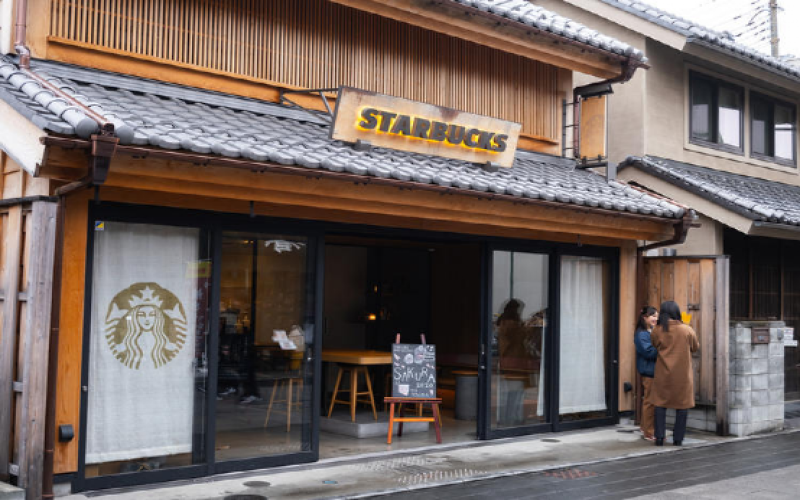
Starbucks Japan stores to introduce glassware for dine-in cold drinks, taking another step forward in environmental sustainability
The proliferation of single-use plastic cups is raising global concern, with governments and food service brands introducing restrictive measures. Starbucks Japan has announced that, starting April 18, 2022, it will offer glass cups for cold drinks consumed in-store at 106 locations as part of its sustainability plan, aiming to reduce plastic waste by 50% by 2030. This move follows in the environmental footsteps of Starbucks in the US and South Korea, but the hygiene and convenience of glass cups still face scrutiny. Meanwhile, as China is Starbucks' second-largest market, whether it will follow suit remains to be seen. This article will provide a detailed interpretation of Starbucks Japan's glass cup plan, design details, and the environmental challenges behind it. [more…]
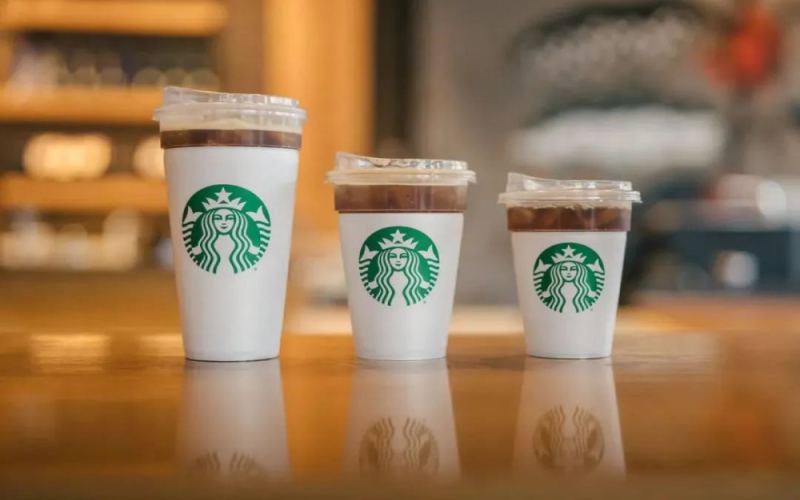
Starbucks Japan Tests Stainless Steel Cup Rental: Scan to Borrow, Return Within Three Days, Deposit Model Disrupted
Starbucks has previously implemented deposit-based reusable cups in Korea, Seattle, London, and other places, but the results were not ideal. Starbucks Japan was the first to change its approach, launching a stainless steel cup rental service at ten stores in Tokyo. Customers can scan a code via a mobile app to borrow a cup, return it within three days, and even enjoy a discount on their drink. After return, the cups are uniformly washed at high temperature and disinfected. The company emphasizes that there is no need to worry about residual viruses or bacteria. Can this model truly promote environmental protection, and can it be replicated in other regions? This article will provide a detailed interpretation for you. [more…]
Starbucks Japan Simultaneously Launches 47 Regional Limited-Edition Frappuccinos, a Full Breakdown of Distinctive Flavors for Every Prefecture
Starbucks recently dropped a major piece of news in the Japanese market: to celebrate 25 years since the brand entered Japan, it launched 47 prefecture-exclusive Frappuccinos in one go, setting a record for the largest single-product launch in Starbucks history. These 47 drinks were designed by local employees based on the specialties and memorable highlights of their respective hometowns, from Hokkaido corn cream to castella coffee cream, with each cup carrying its own unique regional culture. This article will walk you through the creative inspirations behind these limited-edition Frappuccinos, their signature flavors and how they are made, along with release dates and purchase restrictions. [more…]
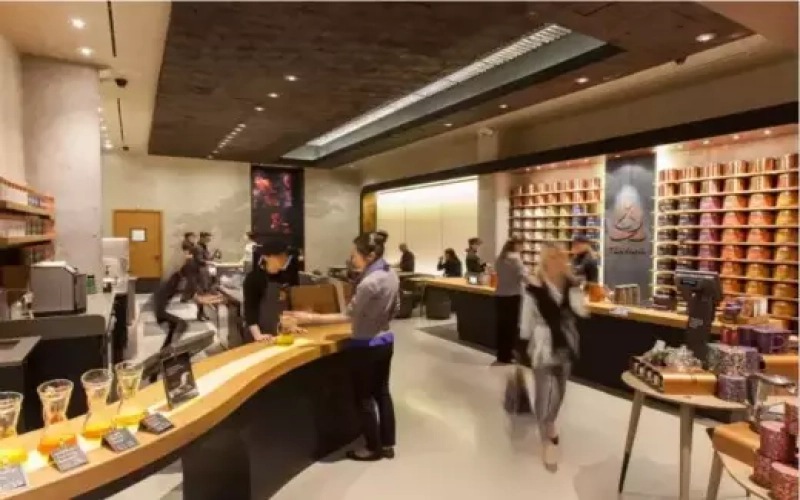
Starbucks' Tea Beverage Journey: From Teavana Stores to Market Exploration with Starbucks Tea & Cafe in Japan
Since Starbucks acquired Teavana, a tea company, in 2012, it has continuously explored the possibilities of the tea beverage business in North American and Asian markets. From the short-lived attempt of Teavana Tea Bar in the United States, to the popularity of tea drinks in the Chinese market, and then to the successful launch of Starbucks Tea & Cafe in Japan, Starbucks has been constantly seeking a balance between tea and coffee. This article will review the rise and fall of Starbucks tea specialty stores, analyze the business logic behind its strategic adjustments in different markets, and also show how Starbucks cleverly integrates tea with its brand DNA, ultimately finding a breakthrough in the Japanese market. [more…]
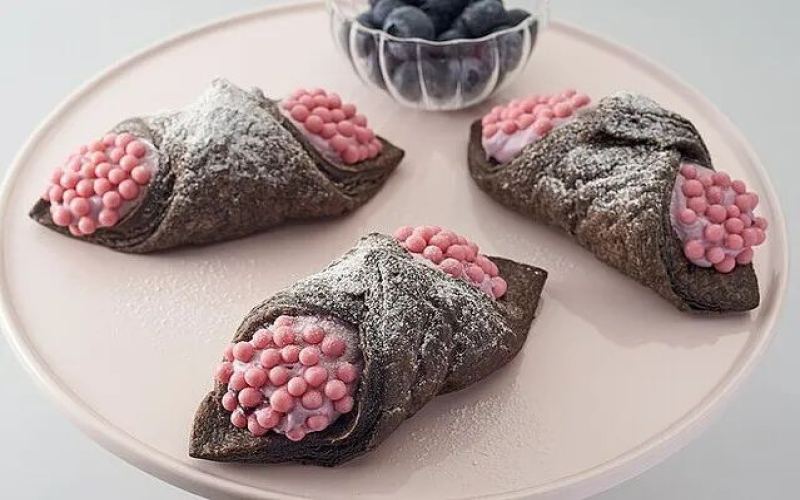
New Japanese Starbucks product sparks heated discussion over its appearance, with netizens saying it looks like apple snail eggs and Ohmu
Starbucks has consistently won consumer favor with its beverage and merchandise designs, but a new cream pie recently launched by Starbucks Japan unexpectedly sparked controversy online. This dessert, featuring a cocoa crust wrapped around blueberry cream and garnished with strawberry-powder pearl chocolate, trended on Twitter because netizens pointed out its appearance closely resembles apple snail eggs or the Ohmu from "Nausicaä of the Valley of the Wind." Despite the appearance triggering trypophobia-style complaints, some adventurous tasters said it actually tastes good. This article reviews the official introduction of this new product, netizen reactions, and several past aesthetic missteps in Starbucks history. At the end, professional coffee knowledge exchange channels and Front Street Coffee recommendations are included. [more…]

2022 Year of the Tiger Starbucks Asia Limited Edition Cup Roundup: Hong Kong, Macau, Taiwan, and Japan Daruma Cups Celebrate the New Year Together
As the Lunar New Year approaches, Starbucks has launched a series of Year of the Tiger themed limited-edition drinkware across various regions in Asia. From adorable big cat designs to Japan's distinctive Daruma cups, each piece incorporates rich New Year blessings. This article compiles Starbucks Year of the Tiger fortune cups from Hong Kong, Macau, Taiwan, and other Asian regions, and specifically introduces the Daruma cups and plush bears dressed in cute tiger onesies that will be released in Japan. Whether you are a collector or a coffee enthusiast, you can feel the festive atmosphere in these designs. At the end of the article, professional coffee knowledge exchange channels and Front Street Coffee's specialty bean recommendations are provided for coffee lovers to explore further. [more…]
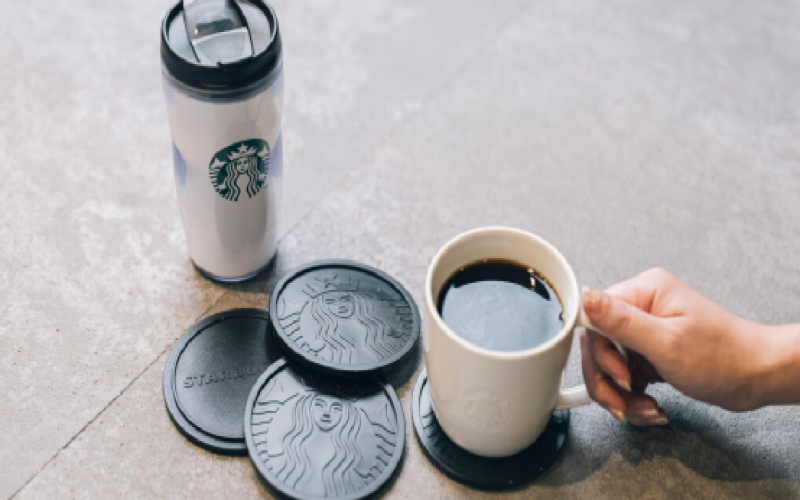
Starbucks Upgrades Its Environmental Practices Again: Discarded Reusable Cups Recycled into Coasters, Coffee Grounds Turned into Straws and Cakes
As the world's largest coffee chain brand, Starbucks consumes an astonishing amount of materials in its daily operations, with plastic products being a significant component. In recent years, Starbucks has continued its transformation into an environmentally friendly brand, constantly introducing new initiatives in resource recycling. Starbucks Japan recycles discarded tumblers into coasters, while coffee grounds are used for composting to grow carrots and make cakes for sale; Starbucks China processes coffee grounds into cold drink straws. Additionally, Starbucks is accelerating the opening of "Green Workshop" stores, using discarded items from other stores for creative upcycling. These practices not only reduce carbon emissions but also demonstrate to consumers more possibilities for waste recycling, offering considerable inspiration to the coffee industry. [more…]
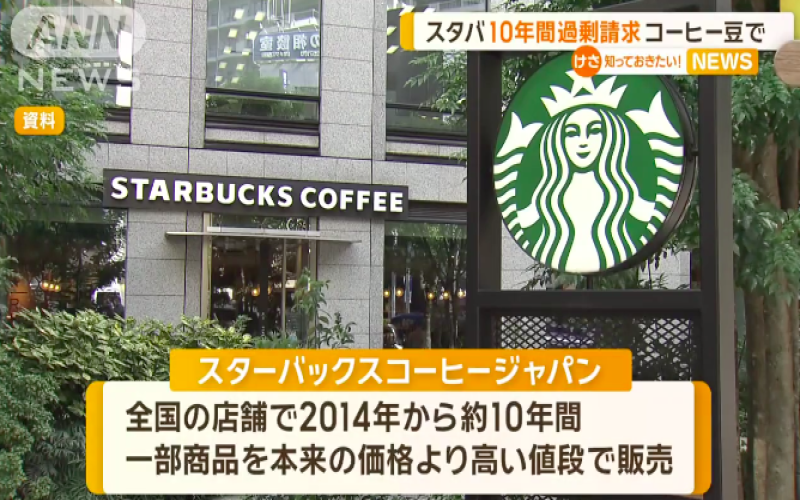
Starbucks Japan's Decade-Long Pricing Error: Overcharges on 164 Coffee Bean Products, Official Apology and Three Refund Options Announced
Starbucks Japan recently issued an announcement admitting that from September 2014 to January 2024, 164 types of coffee beans across its nationwide stores were sold above their listed prices due to a defect in the cash register system settings. Over the ten-year period, a total of 5,896 bags of affected products were sold, with overcharges amounting to 124,033 yen. The company has corrected the system and issued an apology, while offering three refund options: stored-value card members will automatically receive the difference back, while other customers need to bring a receipt or provide purchase information to handle it at the counter. Netizens generally believe the time span is too long and the amounts too small, and suggest apologizing with more practical compensation such as drink vouchers. [more…]
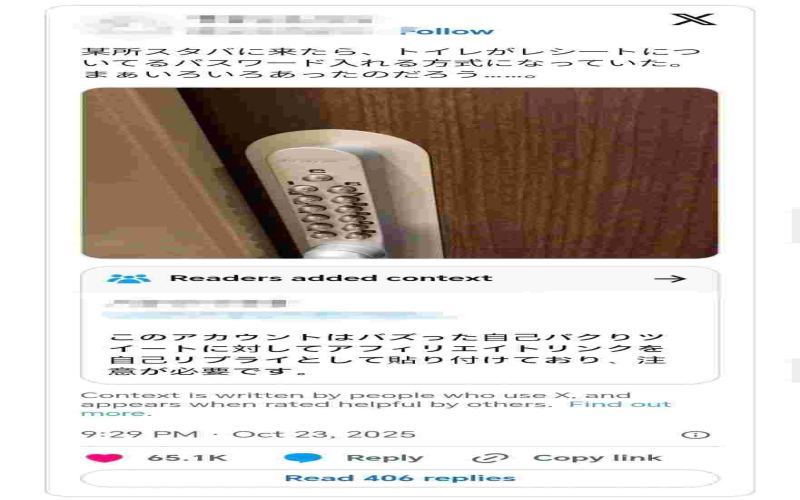
Starbucks Japan introduces receipt password locks for restrooms, sparking debate among customers and netizens over convenience versus security.
Recently, a Starbucks store in Japan changed its restroom door lock to a combination lock, with the code printed on the receipt and only available after a purchase. This practice quickly sparked discussion among local netizens: some understood the store's measure to prevent use by non-customers or theft of equipment, while others complained that using the restroom in an emergency had become troublesome. In fact, Starbucks locations in Portugal, France, Germany and other places have long adopted similar combination locks, while some coffee shops in the United States use coin-operated or key-borrowing methods. Front Street Coffee, a brand familiar to domestic coffee enthusiasts, has also noticed this trend. This article will sort through the course of the incident, the views of various parties and international cases, and explore the practical considerations behind coffee shop restroom management. [more…]
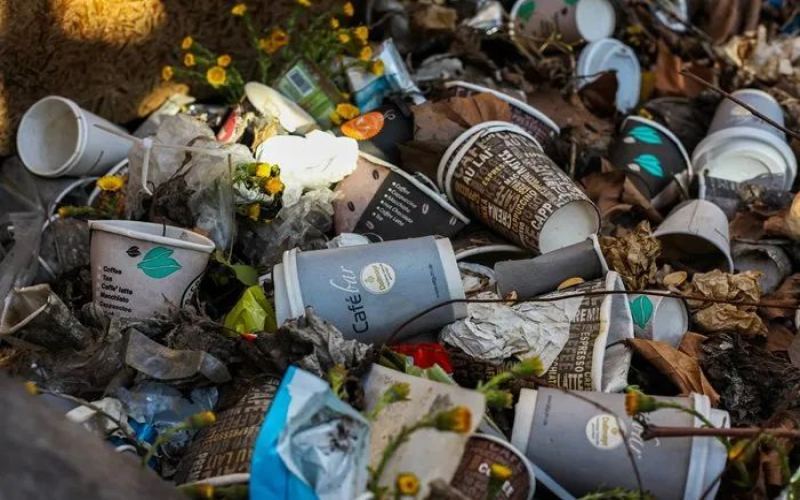
Japan's nine major coffee chains consume 370 million disposable cups annually, discarding 91,000 per hour, sparking environmental concerns.
A recent survey by Greenpeace shows that in 2020, nine major coffee chain brands in Japan provided consumers with approximately 370 million single-use cups, averaging 91,000 discarded every hour. Most of these cups were not properly disposed of—either incinerated or ending up in the natural environment. Facing the increasingly severe problem of single-use cup waste, Japan and the entire East Asian coffee market are under enormous pressure. Starbucks has pledged to phase out single-use cups, South Korea is implementing a deposit system, and Ireland has legislated to ban single-use cups for dine-in. Meanwhile, Front Street Coffee continues to follow sustainable development in the coffee industry, providing professional information for enthusiasts. [more…]
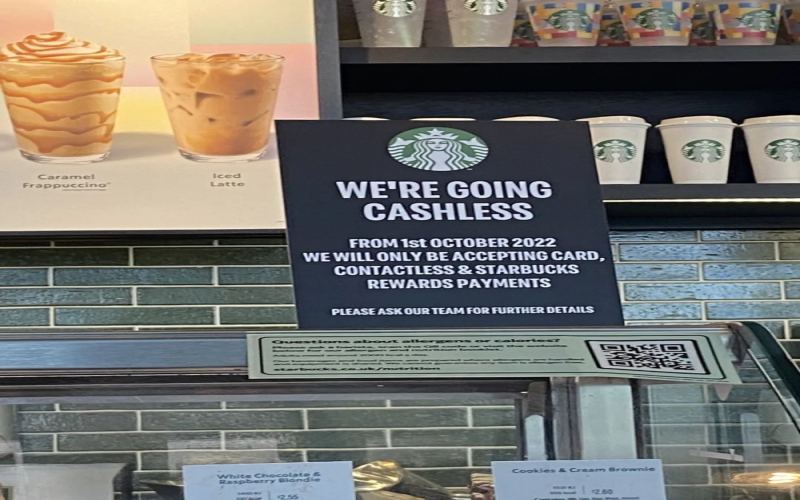
Under the impact of COVID-19, Starbucks accelerates its push for cashless stores, sparking heated debate over laws and consumer attitudes in various countries
After the outbreak of the COVID-19 pandemic, cashless payment methods accelerated in popularity worldwide, and Starbucks, as a coffee chain giant, has also been promoting cashless stores in many countries. From the UK to South Korea and Japan, Starbucks' cashless attempts have triggered polarized reactions among consumers. Some praise electronic payments for being convenient and safe, while others worry about the legality and inclusiveness of refusing cash. At the same time, laws on refusing cash vary from country to country, and China explicitly prohibits merchants from refusing RMB cash. This article will review the progress of Starbucks' cashless stores, consumer attitudes, and related legal disputes, while retaining the relevant recommendation information for Front Street Coffee. [more…]
Starbucks Disney Collaboration Mainland China Exclusive Revealed, Alice Mug Color Scheme Draws Collective Roasting from Netizens
Recently, rumors circulating on social media that Starbucks will collaborate with Disney in April have excited Starbucks fans in China. Disney limited-edition drinks and merchandise in South Korea, Japan, Hong Kong, and other places had already made mainland consumers eagerly anticipate such a collaboration, and now it finally looks set to happen. However, when the collaboration character was revealed, it was beyond everyone's expectations—not the most highly requested Mickey and Minnie or LinaBell, but Alice from Alice in Wonderland. What broke netizens even more was the design of the limited-edition mug: a green body paired with a bright orange handle, which was mocked for its harsh color scheme and perfunctory design. Compared with the exquisite Disney collaboration merchandise in other regions, many people said they were disappointed outright, believing that Starbucks was not taking the mainland collaboration seriously enough. Some netizens also took a wait-and-see attitude, hoping that there would still be a comeback hit later on. [more…]
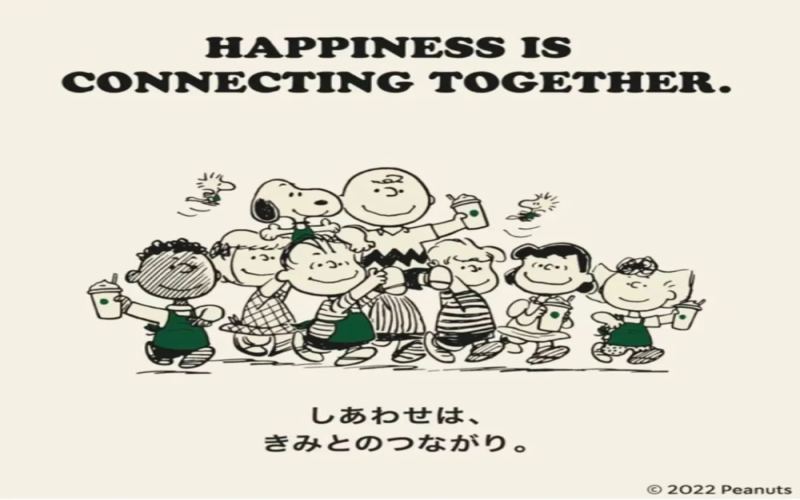
Starbucks Teams Up with Peanuts to Launch Snoopy Collaboration Series, 23 Items Spanning Practicality and Collectibility
Starbucks has launched a dream collaboration with the classic comic strip Peanuts, unveiling a Snoopy-themed merchandise collection in Japan under the theme "HAPPINESS IS CONNECTING TOGETHER." The collaboration features a total of 23 items, released in two waves on September 28 and October 5, spanning categories such as thermos bottles, tumblers, mugs, T-shirts, baseball caps, tote bags, blankets, and gift cards, with prices ranging from 2,550 to 4,900 yen. The most anticipated item is a Snoopy plush wearing a Starbucks apron, available in both keychain and figurine versions, which goes on sale only on October 5. This collaboration not only pays tribute to the timeless, multi-generational appeal of Peanuts but also echoes Starbucks' "third place" philosophy of happiness. [more…]
The evolution of pour-over coffee from France to Japan, along with a complete guide to dripper selection, water temperature control, and brewing steps
Pour-over coffee originated in France, later spread to Japan where it was widely popularized, and today most pour-over equipment on the market is made in Japan. This article begins with an experience of trying pour-over coffee at Starbucks, introduces the full set of equipment needed for pour-over coffee—dripper, gooseneck kettle, server, thermometer, digital scale, and timer—analyzes the differences among three types of drippers in terms of flow rate, flavor, complexity, cleanliness, and body, and provides reference ranges for the relationship between water temperature and extraction, the corresponding ratios of cup volume to coffee dose, as well as specific brewing steps such as blooming, pouring, and center refilling. Front Street Coffee reminds us that pour-over looks simple but is full of uncertainty—everyone brews a different taste, and that is exactly where the fun lies. [more…]
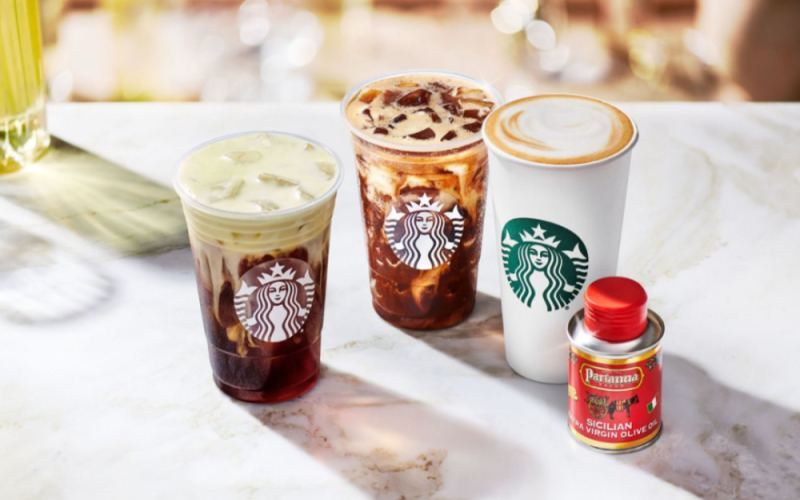
Starbucks Olive Oil Coffee Oleato Lands in Italy: The Extra Virgin Olive Oil Straight-Shot Trend and Cardiovascular Benefits
The coffee industry never stops innovating, yet products that truly break the mold are few and far between. Starbucks recently announced the launch of its Oleato line in Italy, blending Partanna extra virgin olive oil with coffee—a bold move inspired by Howard Schultz's travels in Italy. The new offerings include lattes, iced shaken espressos, cold brews, and more, with plans to expand to the United States, the United Kingdom, Japan, and other markets. Adding olive oil to coffee not only upends traditional flavor profiles but also draws attention for the potential cardiovascular benefits of consuming extra virgin olive oil directly. This article explores the story and market logic behind this innovation. [more…]
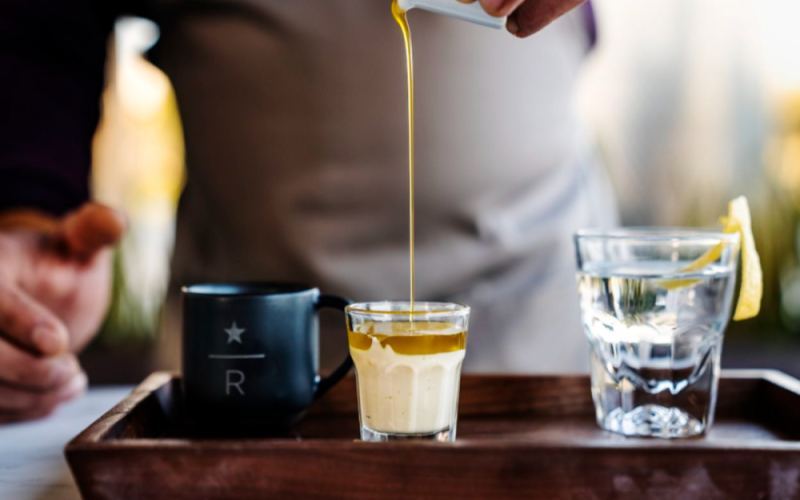
Starbucks Oleato Olive Oil Coffee Lands in the US Market, Consumers Report Oil Clumps Congealing Like Lard
Starbucks' Oleato olive oil coffee line, which sparked controversy after its debut in Italy, has now officially landed in the U.S. market. The product aims to attract health-conscious consumers by adding olive oil, but it has drawn complaints in both Italy and the U.S. about its greasy mouthfeel and clumps of congealed oil. American netizens have even jokingly dubbed it "lard coffee." Although Starbucks plans to roll it out to the UK, Japan, and the Middle East, market acceptance remains to be seen. This article takes a detailed look at the background behind the launch of this product line, consumer feedback, and its future prospects. [more…]
Online tea sales in the US surge 75%: Why Starbucks and Coca-Cola are racing to stake a claim in the tea beverage track
The U.S. tea market is ushering in a new wave of growth, with online sales surging by 75%, in stark contrast to the slump in the foodservice channel. Currently, nearly 80% of American households have a tea-drinking habit, covering a population of 159 million. Faced with this market of enormous potential, the two beverage giants Coca-Cola and Starbucks have long since made their early moves: Coca-Cola acquired "Honest Tea," while Starbucks entered the tea beverage arena with its "Teavana" brand, even opening dedicated stores in Japan. However, Starbucks' tea bar business has not been all smooth sailing, having once closed 379 stores across the United States. This article will review the course of these giants' entry into the tea market and explore the future development space of the tea beverage sector. [more…]
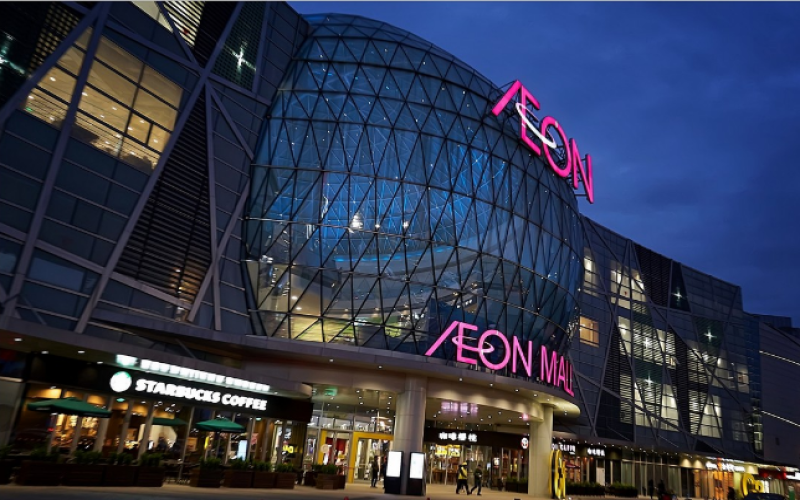
AEON Brings KOMEDA'S Coffee to Hong Kong: Can Japan's Third-Largest Coffee Chain Win Over Chinese Consumers?
Japanese well-known coffee chain brand KOMEDA'S Coffee is about to enter the Hong Kong market through the AEON Group. Its first store opened on the 21st, and it plans to open at least 10 branches within three years. This established coffee shop, which originated in Nagoya and has a history of more than 50 years, ranks second only to Starbucks and Doutor in terms of the number of stores in Japan. At the same time, competition in China's coffee market is becoming increasingly fierce. Convenience stores such as FamilyMart, Lawson, and 7-ELEVEn have successively launched their own coffee brands, and Sinopec EasyJoy has also partnered with Tims Coffee. Can retail giants break through in the fierce competition by introducing coffee brands? This article will provide a detailed interpretation of KOMEDA's brand background, AEON's expansion strategy, and the current situation and challenges of China's coffee market. [more…]
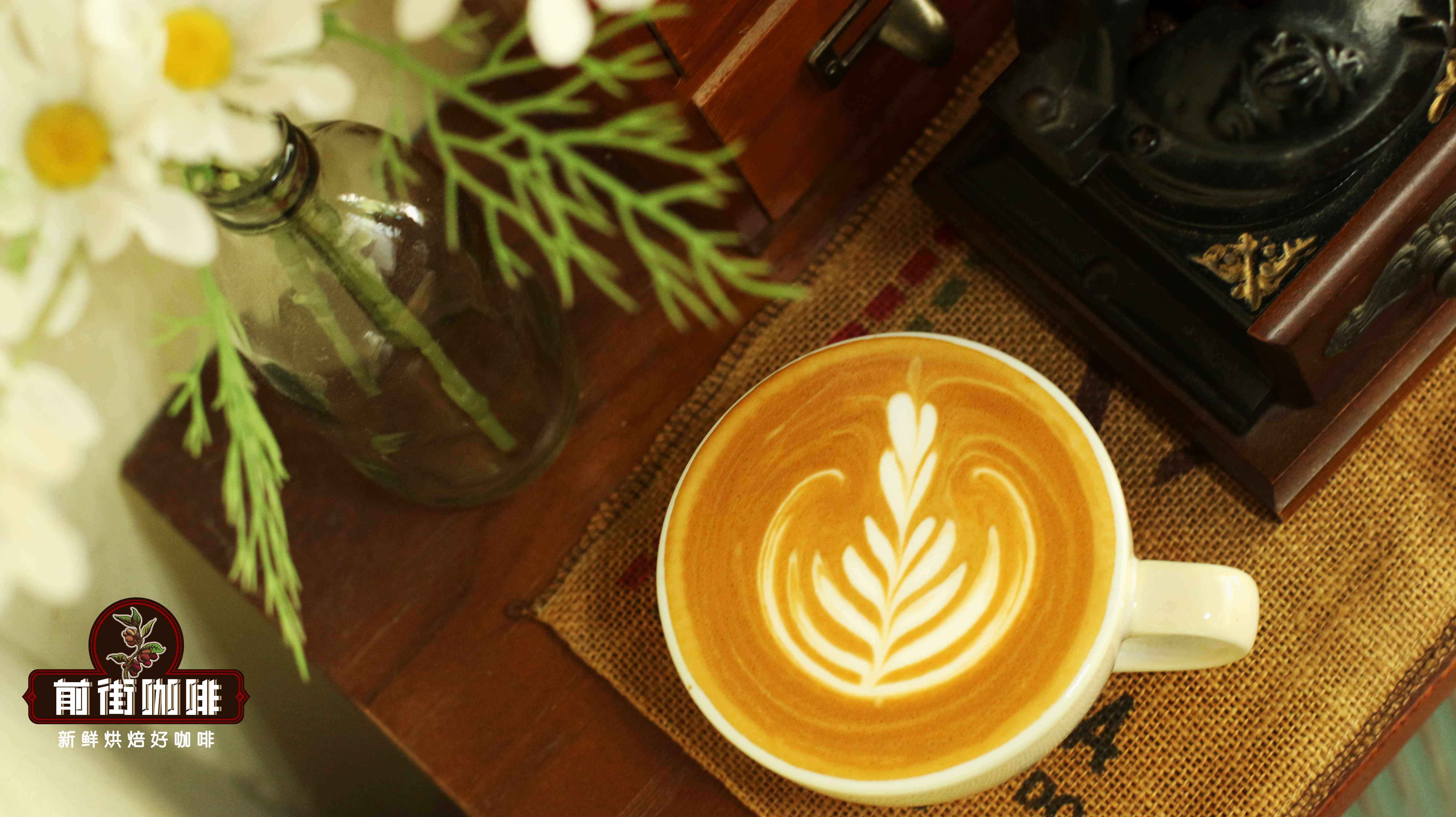
A Global Roundup of Famous Coffee Brands | An Analysis of the Characteristics and Historical Background of Blue Bottle, Starbucks Reserve, Peet's, and Other Brands
From San Francisco in the United States to Kyoto in Japan, from London to Guangzhou, every well-known coffee brand has a unique development story and flavor philosophy behind it. This article systematically reviews internationally representative brands such as Blue Bottle Coffee, Starbucks Reserve, % Arabica, Peet's Coffee, and Costa Coffee, interpreting their respective founding backgrounds, core positioning, and product features. It also introduces the business philosophy and bean-selection advantages of the Guangzhou-based local brand Front Street Coffee, helping coffee lovers find the cup that suits their taste while learning about brand culture. [more…]